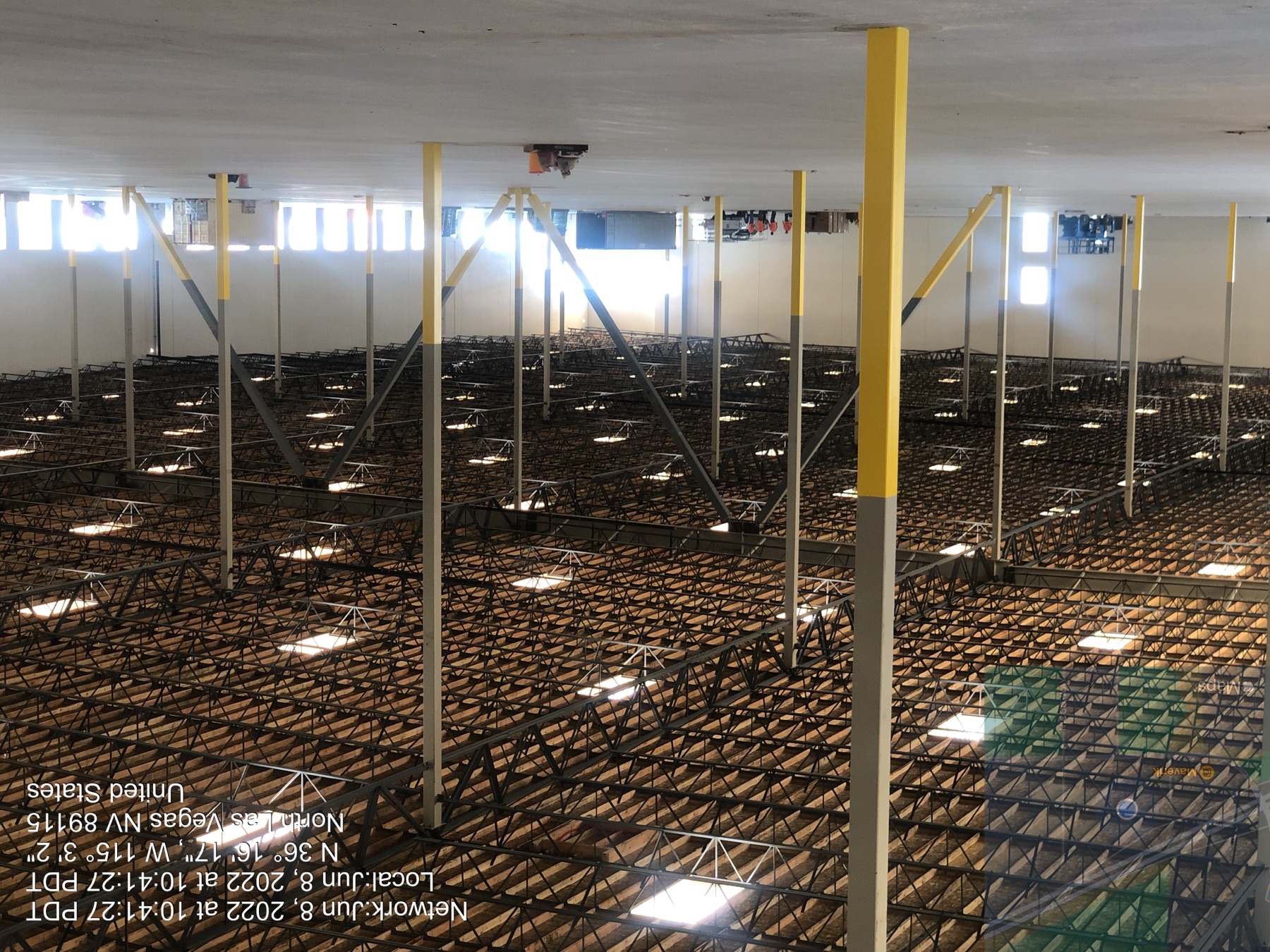
Predevelopment · verify before a dollar moves
Every Terra Development engagement maps to one or more phases of the development life-cycle. The architecture is locked: four phases. What changes is the depth of engagement, the team that owns each phase, and the specific deliverables a given client wants — never the four-phase shape itself. This is how we stay legible to the lenders and sponsors who hire us repeatedly across projects.
Predevelopment · verify before a dollar moves
Underwriting · Feasibility · Diligence. The cheapest deal-breaker is the one you find before close.
Predevelopment is the discipline of finding the truth about a project before its capital structure is locked in. Site control, entitlement risk, sponsor capacity, budget realism, schedule realism — all stress-tested against the underwriting model the deal was approved on. The point is not to validate enthusiasm. The point is to identify what would have to be true for the deal to perform, and to give the capital provider an honest read on whether those conditions actually exist.
For lenders, this is the pre-close diligence layer that survives risk-committee review. For sponsors, this is the independent set of eyes that catches what an internal team familiar with the deal will rationalize. For institutional LPs, this is the pre-commit visibility that lets you decide on the deal as-presented or as-it-actually-is.
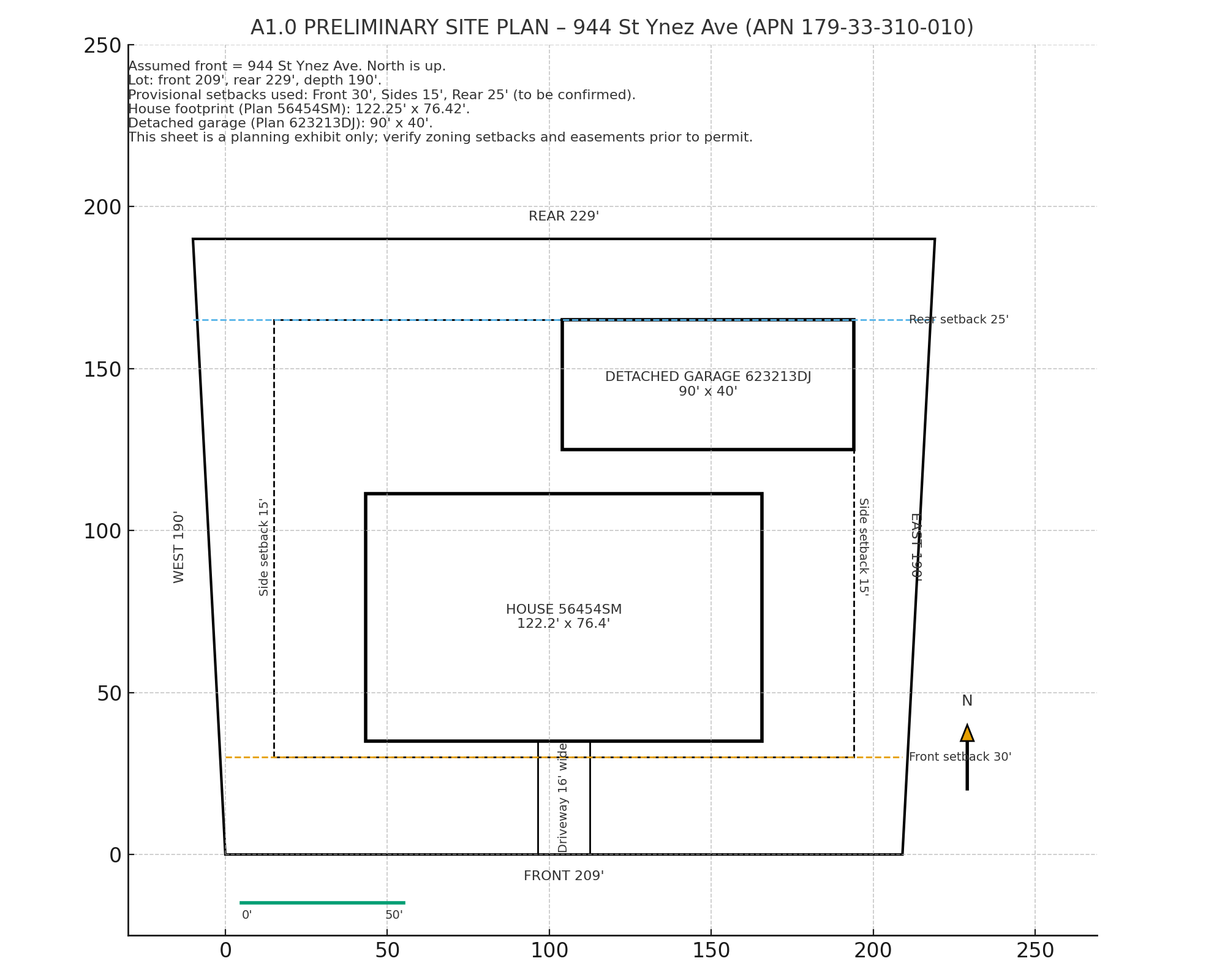
Design & permitting · hold the program
Design coordination · Entitlement strategy · Value-engineering audit. The cheapest way to save money on a building is during design.
Between schematic design and a GMP, every decision either holds the underwritten program or erodes it. We sit on the design side as the owner's voice, holding the architect and consultants to the budget that approved the deal — not to the budget the design naturally wants to migrate toward. Independent value-engineering audit happens here, not at GMP, because the savings are larger and the friction is smaller.
The entitlement strategy executes in parallel. We track the permit path explicitly — the actual milestones, the actual jurisdictions, the actual long-lead items. Construction starts when permits are real, not when the schedule says it should.
Construction · monitor the real build
Monitoring · Fund Control · Draw Validation. Monthly oversight reports in TD-R format. The point of construction monitoring is the absence of surprises.
This is where the work is densest. Site visits at the agreed cadence (typically monthly, plus as-needed). Independent review of every draw request before funds release — including supporting AIA documentation, sworn statements, lien waivers, and stored-materials inventory. Change-orders logged, analyzed, and traced against the contingency. Schedule variance tracked against the baseline. Contingency burn-rate flagged when the trajectory matters.
Monthly oversight reports in TD-R format land on the lender's desk on a predictable cadence. Same brand. Same format. Same place to look on page two. Risk-committee members learn our reports once and read them faster every month thereafter. When something is wrong, the format makes it impossible to bury.

Close-out · across the finish line
Punch · Final Draw · Hand-off. Most projects degrade in the final 5%. The discipline that runs all the way through.
Close-out is where engagement quality reveals itself. The teams that walked the same project for two years are tired; the documentation needed to release the final draw is the most procedurally precise of any phase; and the warranty period attaches to the package that gets handed off. Most projects degrade here. We don't.
Punch management to substantial completion, then to final completion. Final lien releases verified before the last dollar moves. TCO / CO documentation collected and indexed. Warranty registration packaged for the operator. A clean lender hand-off package — everything the lender needs to retire the construction loan, in one place, formatted the same way the monthly reports have been formatted for the life of the project.
The architecture is locked. The depth flexes. The discipline doesn't.