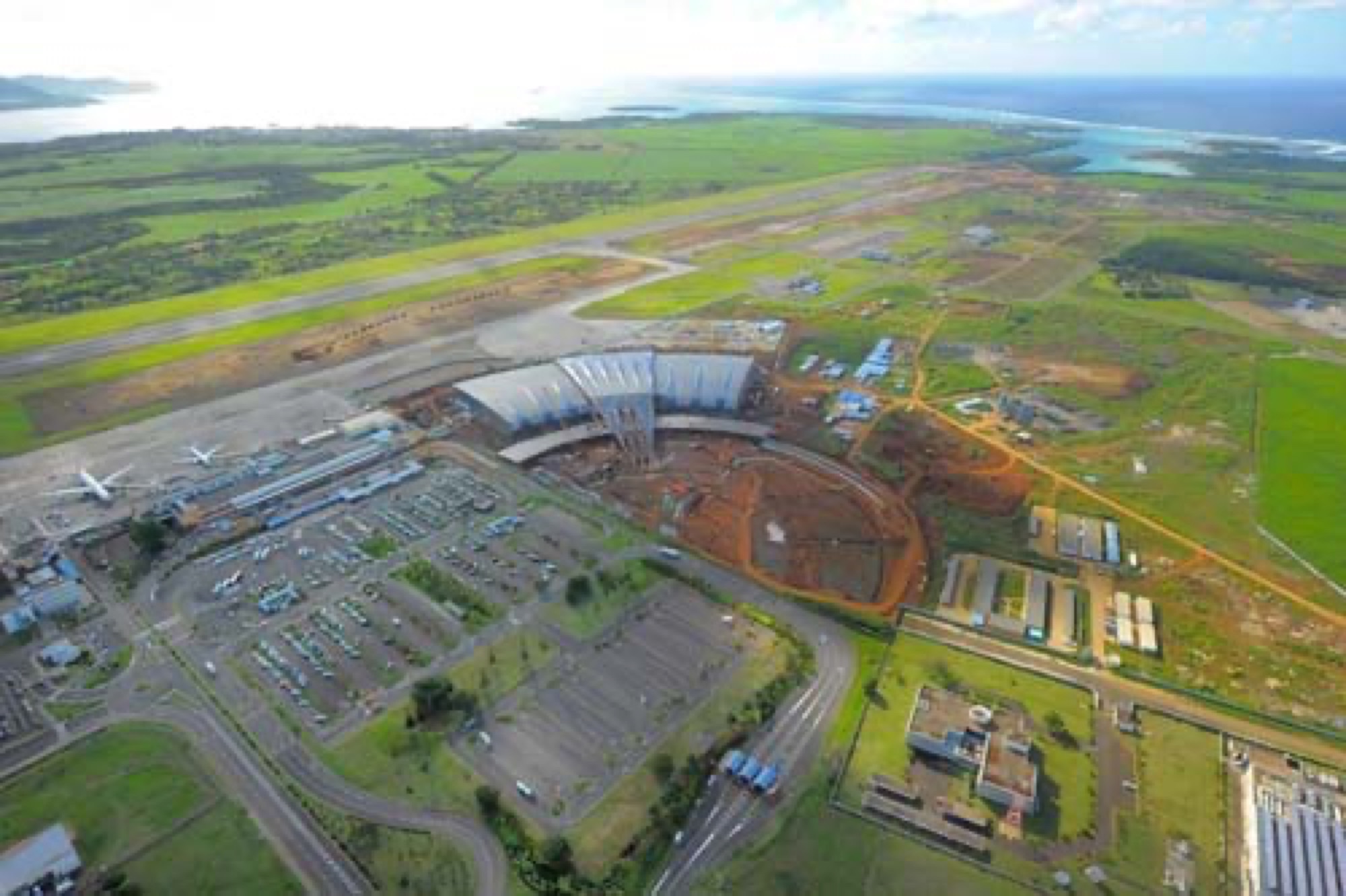
Thirty-five years, every build type — airports to apartments, mines to main street. We have stood on all of it.
Terra Development watches construction capital for the people who put it at risk — construction lenders, owners, and the funds behind them. The work rests on more than 35 years on jobsites: holding the GC's pencil, carrying a subcontractor's risk, signing a developer's note, owning the building after the last inspector left. We have stood on every side of a draw — which is why we catch what a spreadsheet misses.
Thirty-five years, every build type — airports to apartments, mines to main street. We have stood on all of it.
Three kinds of people hire us, for one reason: money is going into the ground, and they want someone who has actually built to tell them the truth about it — before it becomes a write-down.
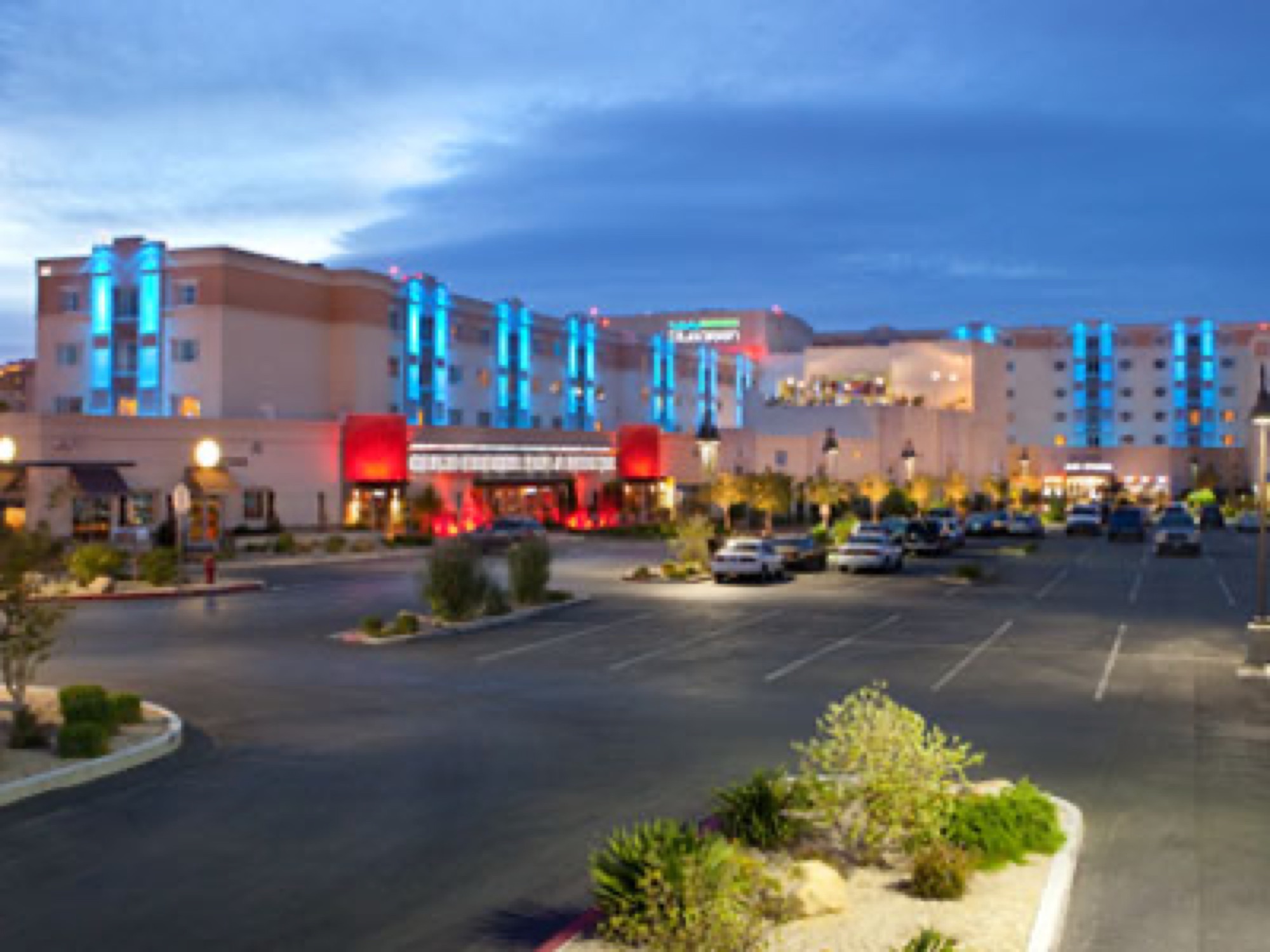
Resorts, towers, institutional facilities — handed over, occupied, working. When we tell a lender a project is on track, it is because we know what on-track looks like from the inside.
Most of our work maps to one or more phases of a build. We can take a single phase or carry the whole life-cycle — the depth flexes per project, the standard doesn't.
Every Terra Development artifact is built on one of three canonical formats. Lenders, sponsors, and risk committees learn our reports once and read them faster every month thereafter. The bar is set in the chassis — not negotiated per project.
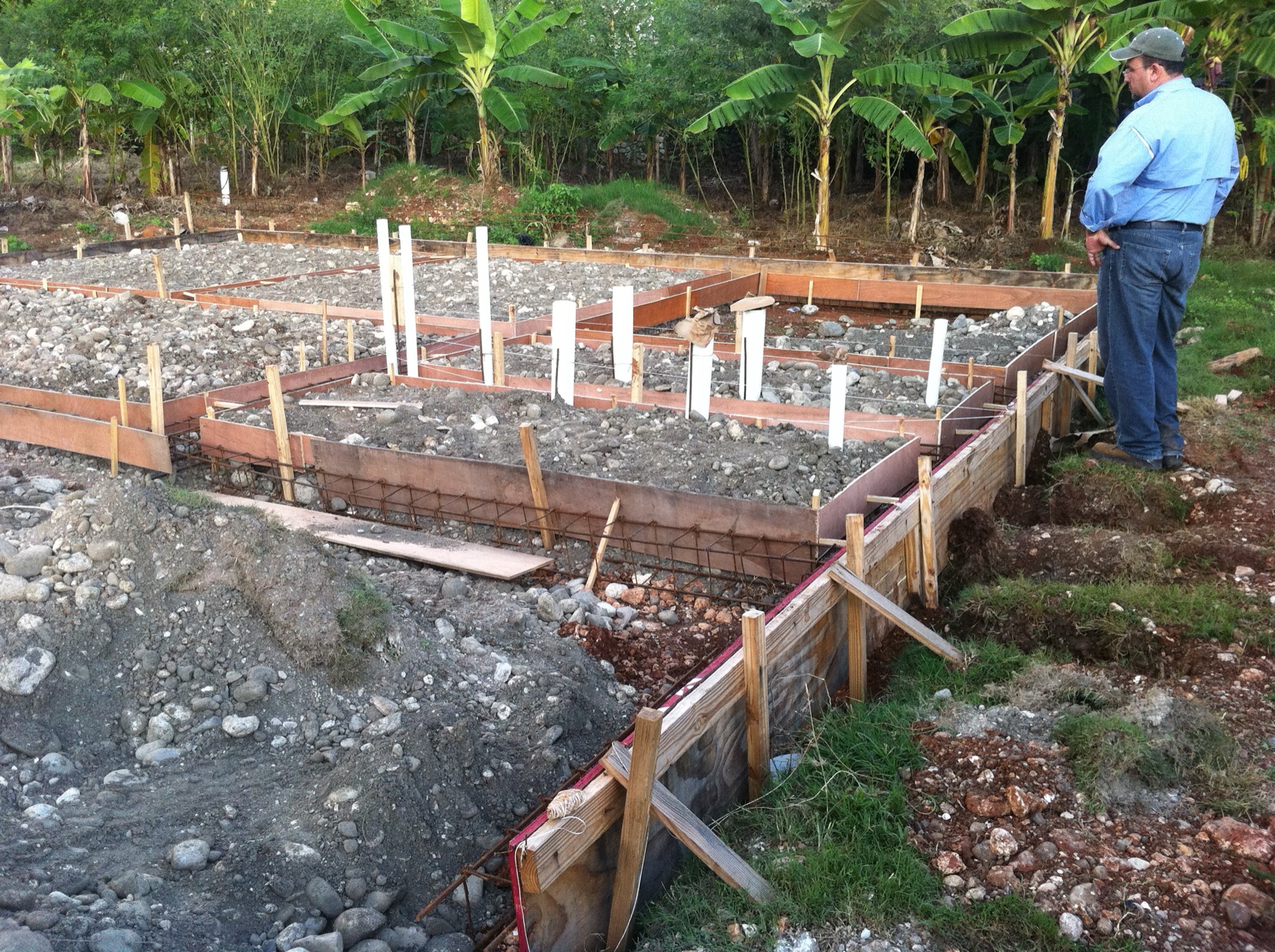
From the back of a pickup truck to airport infrastructure overseas: thirty-five years of footings, rebar, and draws. The reports get trusted because the people writing them have done the work.
Quiet authority. We arrive prepared, document clearly, ask the question the room is avoiding, and leave with the action item assigned.