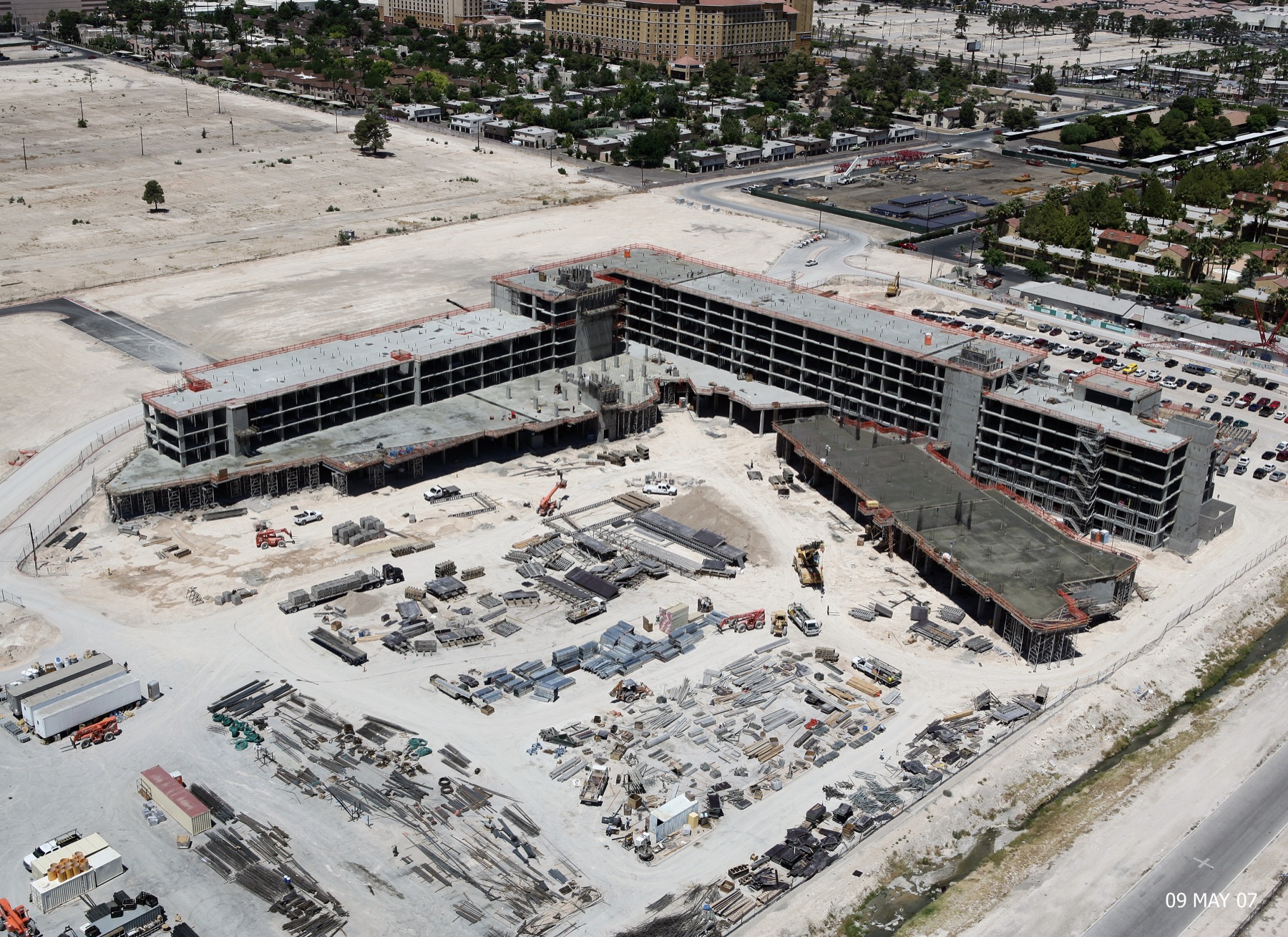
On a construction loan, the collateral doesn't exist yet. We are the eyes on it while it gets built.
An institution approves the loan, but an institution doesn't lose sleep over it. A person does. One officer walked it through committee, vouched for the sponsor, answered the hard questions in the room — and one officer answers for it if it goes sideways. Lender's Corner is built for that person. We're the independent eyes on the ground that keep you ahead of your own loan: the problem surfaced on page two in month three, not page twenty-one in month eleven.
There's no such thing as the institution's loan. There's a person's.
The loan closes and the committee moves on to the next one. But one name stays attached to it — the officer who walked it through, vouched for the sponsor, answered the hard questions in the room. Eleven months later, when the framing is behind and the contingency is gone, it isn't "the institution" that gets asked what happened. It's them — by the same room that approved it, and a few who didn't.
Nobody is grading a checklist. They're grading judgment, thoroughness, the quality of the analysis, the risk that got caught early, and the plain common sense of the call. Lender's Corner is built for that person. We're the independent field read that keeps you ahead of your own loan — so the question that comes up in the room is one you already saw coming.
We've stood on every side of a draw — built the building, signed the note, and watched a monitor miss what the field was plainly saying. So when we report, we report what a committee actually needs to see, in the place they need to see it. The difference between a good night's sleep and a hard conversation is usually one thing: did the problem show up on page two in month three, or page twenty-one in month eleven?
On a construction loan, the collateral doesn't exist yet. We are the eyes on it while it gets built.
Four commitments that decide how we show up.
1. We answer to your judgment, not the borrower's optimism. Our read is independent of the people drawing the money. When the field disagrees with the pay application, you hear the field.
2. We tell you early, even when it's inconvenient. The cheapest moment to raise a problem is the first one. We'd rather hand you an uncomfortable call in month three than an explanation in month eleven.
3. We've actually built it. Every judgment is backed by having stood on the jobsite as the GC, the sub, the developer, the owner. We know where the numbers hide because we've watched them hide.
4. We make you look as thorough as you are. A clean, legible, defensible record is the difference between a loan that simply went sideways and an officer who saw it coming and documented every step.

The scale you fund — read from the ground
Which is exactly why we know what to look for when we're the one inspecting.
It started out of the back of a pickup truck — our own money, our own name on the note, every hard lesson learned the way you only learn them when it's yours. We've been the borrower drawing the loan, the GC submitting the pay application, the owner sweating the inspection. We know what an optimistic draw looks like from the inside, because we've submitted a few.
That's what you're hiring — not a checklist, a memory. When we walk a building, we aren't comparing it to a manual. We're comparing it to thirty-five years of buildings. And when we write it up, we write it for the room you have to face — the peers, the higher-ups, the credit committee — so the work speaks for your judgment before you have to.
A short note about the project and where it stands is all it takes.
Tell us what you've funded or are about to, where it stands, and what the file is missing. It goes straight to a person who has built one — not a queue. We come back with a straight read on the exposure and what independent oversight would put on your desk each month.
And if the loan doesn't need us — small, simple, well-covered — we'll tell you that too, plainly. We're not here to sell oversight nobody needs.
You approved the loan. We'll make sure you're never surprised by it.