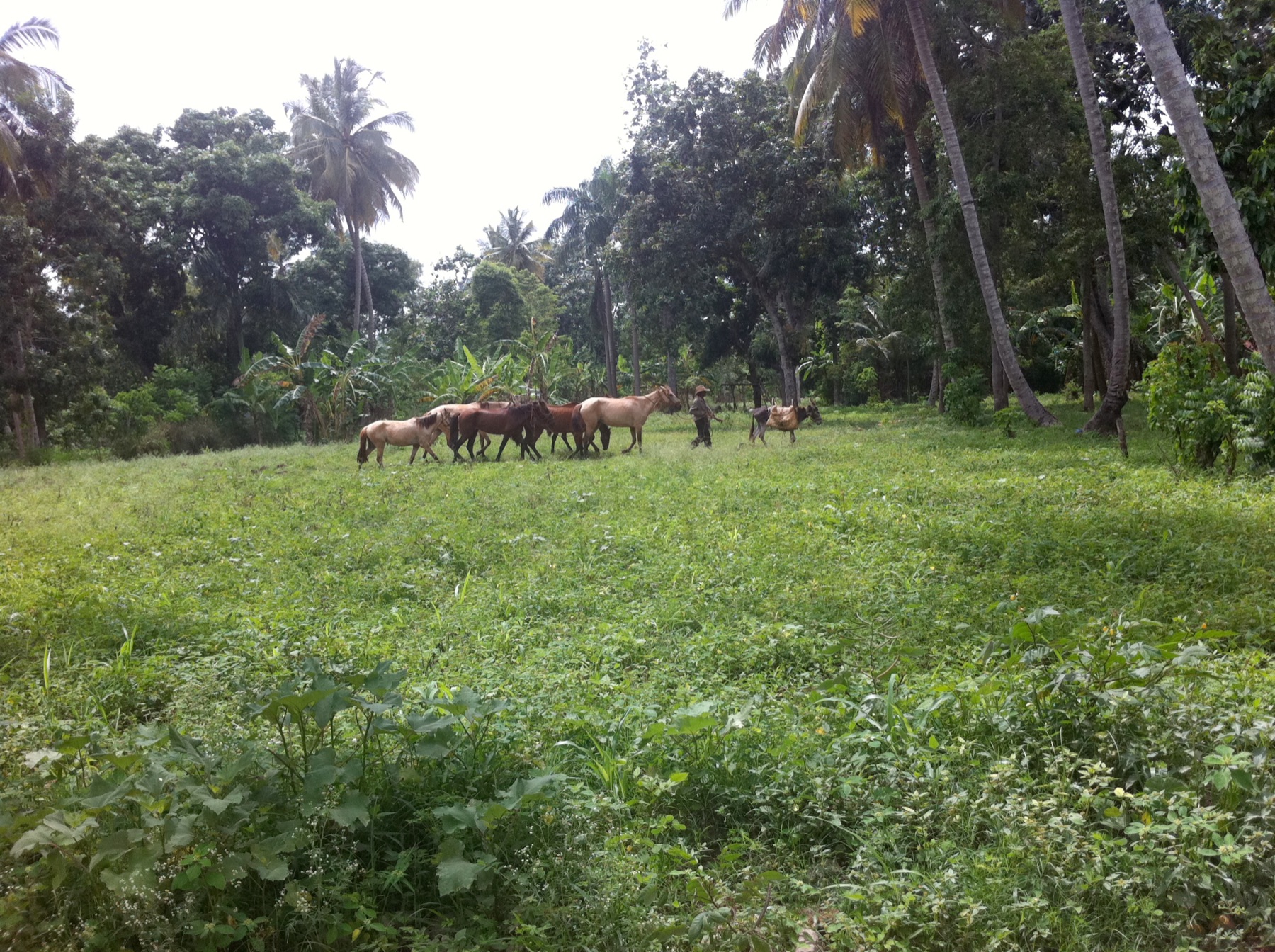
Terra Development is a development-services firm with its roots on the jobsite, not in a boardroom. We sit beside the developer, but we answer to whoever has capital on the line — the lender, the owner, the fund. The reason our reports get trusted is plain: the people writing them have built the thing being reported on.
What we do, who hires us, and why the work looks the way it does.
Terra Development watches construction capital for the people who put it at risk. Lenders hire us to make sure the money they advance actually becomes the building they underwrote — on the timeline the loan assumed. Owners step into Owner's Corner for someone who has built it before, standing on their side of the table. We are not a general contractor. We don't own the deal. We don't market it. We sit beside the builder and answer to the capital.
Engagements run the whole life-cycle — predevelopment, design and permitting, construction, close-out — or a single phase. The reporting looks the same every month: same format, same place on page two for the answer you came for. The depth flexes with the project. The standard doesn't.
Not slogans. The operating principles that decide how each project is run.
1. The architecture is locked; the depth flexes. Every project moves through the same four phases. The shape never changes. What flexes is depth of engagement, who owns each phase, and which deliverables matter most for a given client. Predictable shape is what makes us legible to the institutions that hire us repeatedly.
2. Same brand, same format, same place on page two. A risk-committee member should learn the format once and read it faster every month thereafter. When something is wrong, the format makes it impossible to bury. When the project is on track, that is unambiguous.
3. Named-owner discipline. Every workstream has one named person accountable. Not a team. Not a department. One name on the page, with the responsibility and the authority to deliver it.
4. The point is the absence of surprises. Construction monitoring is not a story-telling exercise. The work is the cadence: clear status, clear variance, clear escalation — before something becomes a problem the lender hears about from somewhere else.
Terra Development is a relaunch, not a start-up. The discipline has institutional memory — more than 35 years of it.
It started with a pickup truck and a single lot. The first house taught the lessons you only learn when it's your own money and your own name on the note — the subcontractor who vanished at sixty percent, the inspector who failed you on a Friday afternoon, the change order you signed because nobody told you that you could say no. Thirty-five years later the work runs from single-family to university housing, churches to apartment towers, mining and agricultural facilities to airport and civil infrastructure on the far side of the world.
Different scale, same lessons. That experience is the whole reason Terra exists in the form it does. When we stand watch over a lender's capital, or stand in an owner's corner, we are not reading from a manual. We are remembering. Every report is built on a baseline carried, edited, and re-edited through real projects — so the first one you receive was never anyone's first draft.
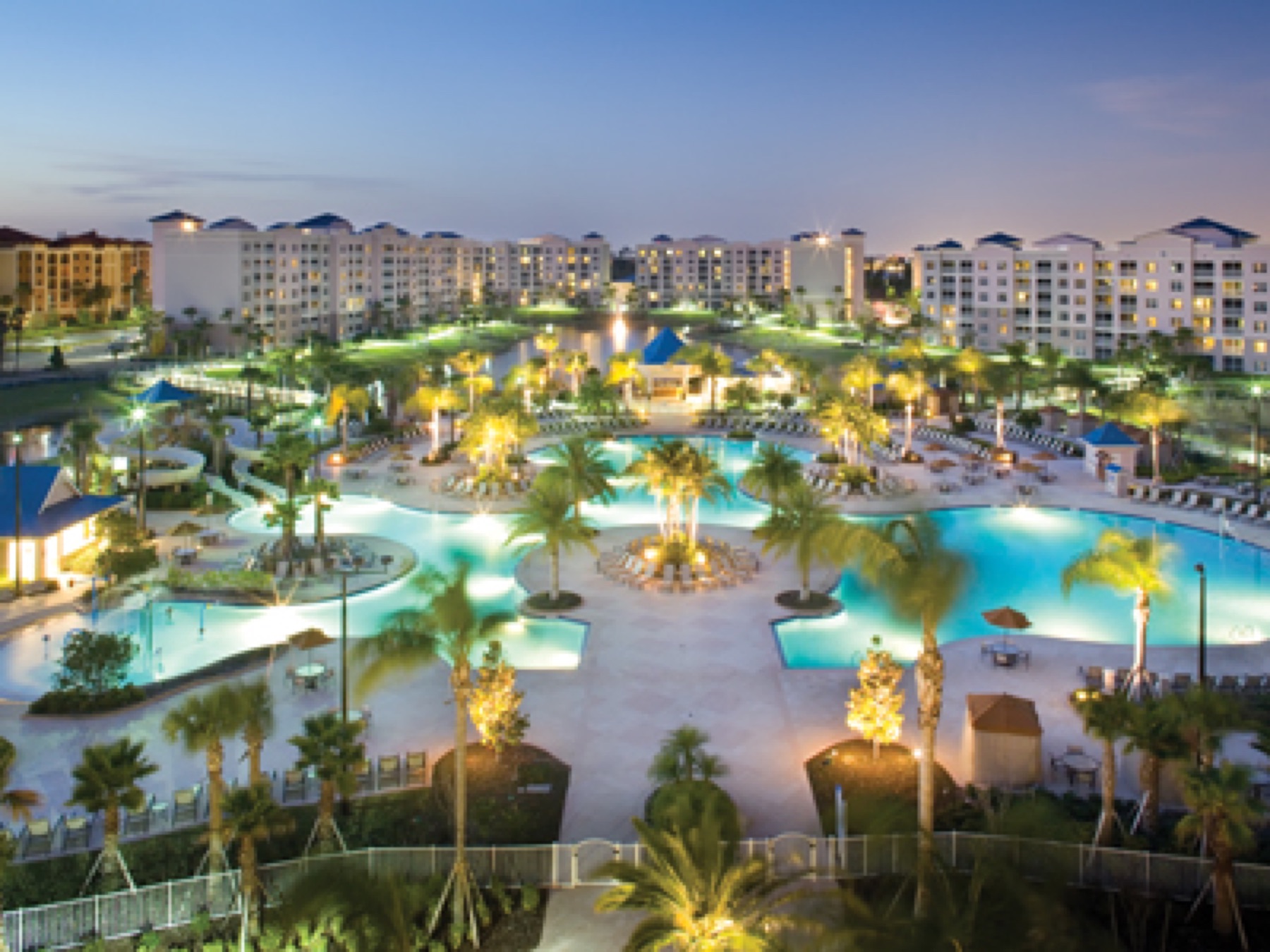
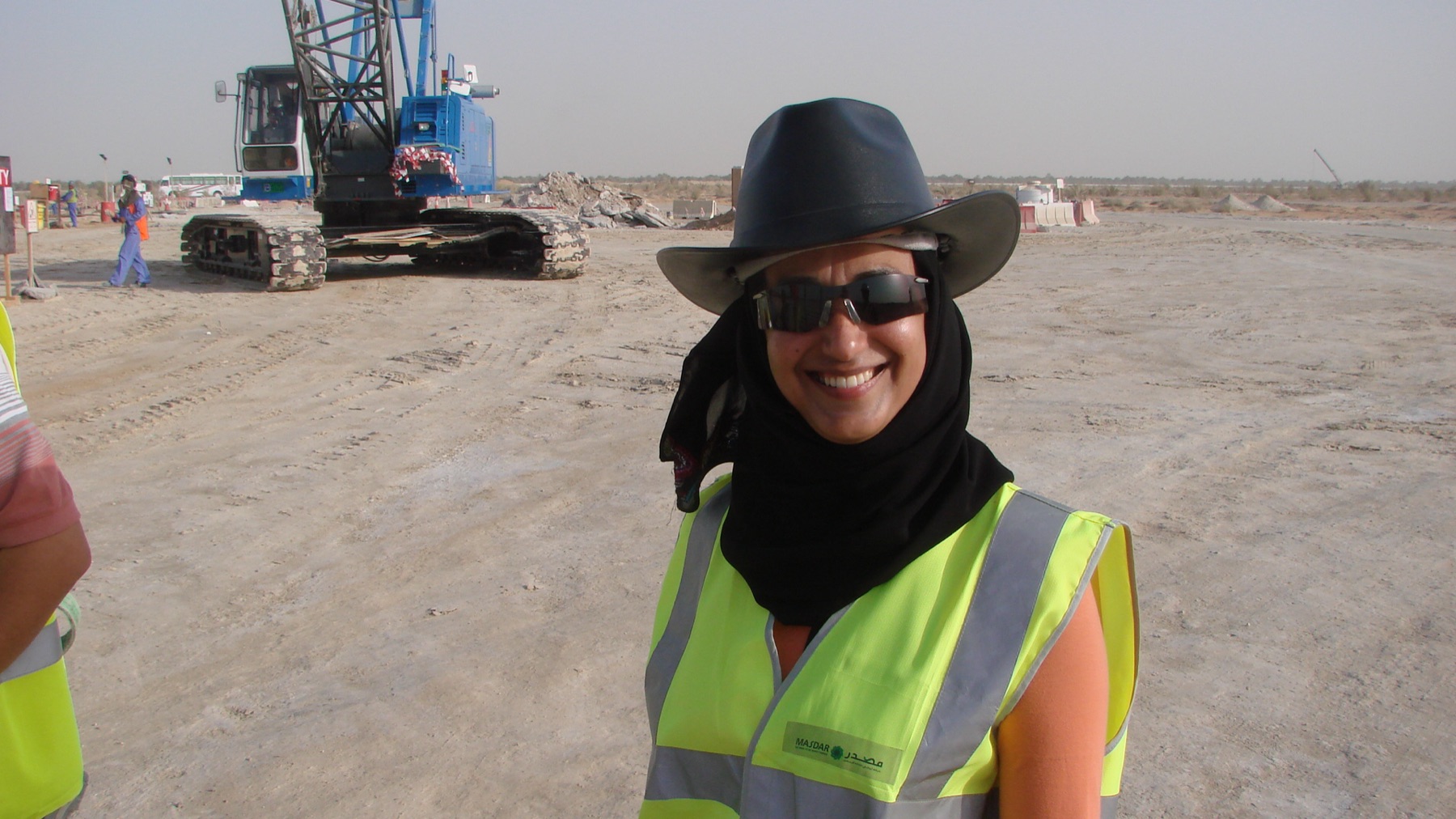
Single-family to mining to international infrastructure — the same hands, the same standard.
Every inbound goes to the principal. There is no front-desk filter.
The fastest path is a short note that says what kind of project, what stage, and which audience you sit in — lender, sponsor, or LP. We reply with a calendar link or a question, depending on what is most useful. If the project is a fit, we move to a scoped engagement memo within the first conversation cycle.
If the project is not a fit — wrong size, wrong stage, wrong moment — we say so directly. We do not chase work that is not built for the discipline.
Built to outlast a single project. Built to earn the next one.